A Smarter Way to Choose CPR Classes in Lexington
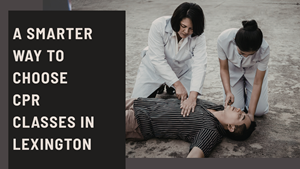
When seconds count, knowing how to perform life-saving techniques can make all the difference. Whether you are a healthcare professional looking to renew your credentials or a concerned citizen wanting to be prepared for an emergency, finding the right training is crucial. In the heart of Kentucky, the demand for high-quality emergency education has never been higher. If you have been searching for exceptional CPR classes in Lexington, you are already taking a vital step toward protecting your community. This guide will walk you through everything you need to know about getting certified, from basic life support to advanced medical training, ensuring you are ready to act when crises strike.
The Importance of Immediate Emergency Response
Cardiac arrest can happen to anyone, anywhere, at any time. In the United States, it remains one of the leading causes of death, with hundreds of thousands of incidents occurring annually outside the hospital setting. The key to survival often lies in the immediate actions of bystanders and medical personnel before a patient ever reaches an emergency room. By learning proper chest compressions, rescue breathing, and the use of automated external defibrillators (AEDs), you become a critical link in the chain of survival.
Taking CPR classes in Lexington gives you hands-on experience and the confidence to act swiftly during high-stress situations. It is not just about ticking a box for an employer; it is about acquiring the practical skills necessary to keep blood flowing to the brain and vital organs until advanced medical help arrives. For healthcare workers, these skills are the foundation of patient care. For everyday people, they are the tools of a true hero. The muscle memory you develop during training kicks in automatically, allowing you to focus on the patient rather than second-guessing your next move.
Basic Life Support: The Foundation of Care
Before diving into specialized medical training, every professional must start with the basics. Basic Life Support (BLS) provides the framework for responding to life-threatening emergencies. This training goes beyond standard civilian CPR, focusing heavily on high-performance team dynamics, rapid assessment, and high-quality chest compressions in clinical settings. If you are a nurse, medical assistant, or first responder, enrolling in a BLS Certification Institute program is an absolute necessity.
When you choose a BLS Certification Institute, you want a curriculum that aligns with the latest guidelines from national health organizations. The coursework will cover scene safety, early CPR, and the effective use of an AED in both hospital and pre-hospital environments. You will also learn how to relieve choking in a safe, timely manner. Mastering these foundational skills ensures that you can seamlessly integrate into a code team, providing the coordinated care that saves lives. Remember, advanced medical interventions are only effective if the foundation of BLS remains solid.
Advanced Cardiovascular Life Support: Elevating Your Expertise
For those working in emergency rooms, intensive care units, or critical care transport, basic skills are just the beginning. Advanced Cardiovascular Life Support (ACLS) builds upon BLS by introducing pharmacological interventions, advanced airway management, and the interpretation of electrocardiograms (ECGs). When a patient is experiencing a severe cardiovascular crisis, such as a stroke or acute myocardial infarction, the protocols learned in an ACLS Certification Institute course become indispensable.
Enrolling in an ACLS Certification Institute prepares healthcare providers to manage complex peri-arrest conditions. You will learn to recognize and manage respiratory arrest, symptomatic bradycardia, and ventricular fibrillation. The training emphasizes the importance of continuous high-quality CPR while simultaneously administering life-saving medications like epinephrine or amiodarone. Through simulated megacode scenarios, medical professionals learn to think critically under pressure, ensuring that every team member understands their role during a rapidly evolving clinical emergency. This level of preparation directly translates to better patient outcomes in the real world.
Pediatric Advanced Life Support: Specialized Care for Children
Children are not simply small adults; their anatomy, physiology, and the underlying causes of their medical emergencies require a completely different approach. For healthcare workers in pediatrics, emergency medicine, or family practice, understanding how to stabilize an infant or child is critical. A PALS Certification Institute program is designed specifically to address the unique challenges of treating the youngest and most vulnerable patients.
Through a PALS Certification Institute, medical professionals learn the systematic approach to pediatric assessment. The curriculum focuses on recognizing respiratory distress and failure, identifying different types of shock, and managing pediatric cardiac arrest. You will become proficient in specialized interventions, such as intraosseous access and tailored medication dosages based on weight using the Broselow tape. By completing this advanced training, you ensure that your facility is fully prepared to provide the highest standard of care when a child's life hangs in the balance. It provides the confidence needed to act decisively during emotionally charged pediatric emergencies.
What to Look for in a Quality Training Program
Not all emergency training programs are created equal. As you evaluate your options for continuing education, there are several factors to consider. First, ensure the curriculum is up-to-date and compliant with national standards. The medical field evolves rapidly, and the protocols for life-saving interventions change as new research emerges. You want a program that teaches the most current, evidence-based practices available.
Next, consider the learning format. Many professionals benefit from a hybrid approach that allows them to complete the cognitive portion of the coursework online before attending an in-person skills session. This flexibility is ideal for busy nurses, doctors, and technicians who are juggling demanding shift schedules. Finally, look for programs that emphasize low-stress, hands-on learning environments equipped with modern simulation technology. Practicing on high-fidelity manikins provides immediate feedback on compression depth and rate, helping you refine your technique until it becomes second nature.
The Value of Local Training in Kentucky
While the medical guidelines for life support are national, taking CPR classes in Lexington offers unique advantages. Training locally means you are learning alongside peers from your community. You may find yourself in a course with professionals from the very hospitals, clinics, and fire departments where you work. This fosters a sense of regional teamwork and networking that online-only national courses simply cannot replicate.
Furthermore, local training facilities understand the specific needs and resources of the Kentucky healthcare system. They can tailor scenarios to reflect the realities of emergency response in the Bluegrass State. By investing your time and money into local programs, you are also supporting the broader goal of creating a safer, more resilient community. When an emergency strikes in Lexington, you want to know that the people standing next to you are trained to the exact same high standards, working from the same playbook to save lives.
Conclusion
Preparing for a medical emergency is a profound responsibility. Whether you are obtaining your initial credentials or completing a required recertification, the knowledge you gain has the power to alter the course of a person's life forever. From mastering the foundational skills of Basic Life Support to navigating the complex algorithms of Advanced Cardiovascular Life Support and Pediatric Advanced Life Support, every level of training adds a vital layer of protection for your patients.
Do not wait until you are faced with a crisis to realize the importance of emergency education. Seek out accredited programs, commit to continuous learning, and take pride in your ability to act when others cannot. By taking CPR classes in Lexington, you are joining a dedicated network of professionals committed to preserving life and fostering a safer environment for everyone in the community.